
Tag: SmartShopping

  • Target vs Walmart: Where Do You Really Save More on Groceries in 2025?

    Target vs Walmart: Where Do You Really Save More on Groceries in 2025?

    Meta Description:
    Still overspending on groceries? We compared prices, rewards, delivery perks, and in-store experience between Walmart and Target to help you decide where to save more in 2025.


    TL;DR: Who Wins in 2025?

    🛍️ Category🏆 WinnerWhy
    Grocery PricesWalmartLower prices on staples like meat, produce, milk
    Beauty/Personal CareTargetCircle + RedCard discounts beat base prices
    Rewards PerksTargetNo annual fee + 5% RedCard savings
    Bulk Shopping & DeliveryWalmartWalmart+ free delivery + fuel savings
    Store ExperienceTargetSleek layout, personalized offers

    🧩 Why This Grocery Showdown Matters

    It’s 2025. Grocery inflation hasn’t backed down, and every dollar feels heavier—especially for families, students, and young professionals juggling bills, rent, and rising food costs.

    You’ve probably stood in your kitchen wondering:
    “Should I stock up at Walmart or just do a Target run after work?”

    The truth is: it depends on what you buy and how you shop. Let’s break it down.


    🛒 Price Comparison: Everyday Essentials

    We checked prices on 20 commonly purchased grocery items across both stores (CA, NY, TX locations + online listings). Here’s a sample:

    ItemWalmart AvgTarget Avg
    🥛 Milk (1 gal)$3.48$3.79
    🥚 Eggs (12 ct)$2.12$2.29
    🍗 Chicken breast (per lb)$3.49$4.29
    🧼 Laundry detergent$9.74$10.99
    🪥 Toothpaste$2.98$3.29

    📉 Walmart wins on pantry staples, fresh produce, and proteins.
    🎯 Target closes the gap with household goods, personal care, and baby items—especially when Circle rewards and RedCard discounts kick in.


    🎁 Rewards & Memberships: Which One Pays You Back?

    🔷 Walmart+ ($98/year)

    • Free same-day grocery delivery
    • Mobile Scan & Go in-store
    • Fuel discounts
    • Paramount+ included

    ✅ Best For: Families, bulk buyers, weekly delivery users


    🔴 Target Circle + RedCard (Free)

    • 1% back on every purchase (or 5% off with RedCard)
    • No annual fee
    • Personalized weekly offers
    • Early access to sales

    ✅ Best For: Beauty/household shoppers, coupon lovers, casual spenders


    ✨ Shopping Experience: Convenience vs Vibes

    FeatureWalmartTarget
    🏬 Store layoutEfficient, functionalAesthetic, curated
    📱 Mobile appFast & utility-focusedSleek, personalized
    🚗 Pickup/deliverySame-day availableSame-day available

    Target wins if shopping feels like self-care.
    Walmart wins if time is money.


    🧾 Real-Life Scenario: 1 Week of Groceries for Two

    Grocery List:
    Milk, Eggs, Chicken, Rice, Veggies, Bread, Pasta, Sauce, Snacks, Yogurt, OJ, Cereal, Toilet Paper, Shampoo, Toothpaste

    RetailerCart TotalDelivery FeeRedCard/W+ AppliedFinal Price
    Walmart$71.84$0 (Walmart+)$71.84
    Target$76.22$0 (Pickup)-$3.81 (5%)$72.41

    📌 Insight: Target almost matches Walmart when using the 5% RedCard discount and free pickup.


    🏁 Final Verdict: Which Store Should YOU Shop?

    Shopper TypeBest Pick
    👨‍👩‍👧 Large families, bulk buyersWalmart
    💄 Beauty & self-care focusedTarget
    📦 Streaming + groceriesWalmart+
    🔖 Coupon/code huntersTarget Circle
    🎯 Urban dwellers, part-time shoppersTarget

    💬 What We Recommend

    • If you’re budget-maximizing: Walmart wins.
    • If you’re convenience-optimizing: Target makes sense.
    • For most households, using both strategically is the smartest move.

    🔗 Related Guides


    📣 Final Tip: Check Local Prices Before You Shop

    Apps like Instacart or Google Shopping can show you which store has the lowest prices in your area—in real time. Prices vary by region, so don’t assume.

    🎁 Bonus: Both Walmart+ and Target Circle offer free trials. Use them before you commit!
  • Store Brands vs Name Brands: When Is It Worth Paying More?

    Store Brands vs Name Brands: When Is It Worth Paying More?

    Meta Description:
    Are store brands really worse than name brands? We break down price vs quality with real examples like cereal, milk, and frozen meals — and help you decide when to save or splurge.


    🛒 The Grocery Aisle Dilemma: Save or Splurge?

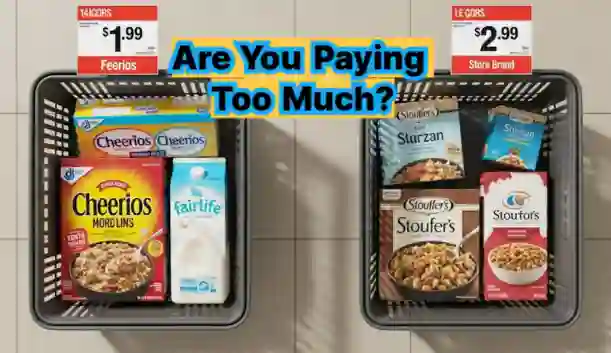
    You’re standing in the cereal aisle, comparing a $2.79 store-brand box to a $4.99 box of Cheerios.

    “Is the cheaper one just as good?”

    In today’s economy, where grocery bills keep climbing, more Americans are asking this very question. Store brands have become more appealing — but are they a smart swap or a step down?

    Let’s break down when store brands are a no-brainer and when name brands are worth the extra bucks.


    💸 Why Store Brands Are Winning in 2025

    A recent report from the Food Industry Association shows that 72% of U.S. shoppers regularly buy store-brand items — and it’s not just about price anymore.

    Here’s why:

    • Lower cost: Typically 15–30% cheaper
    • Better quality: Many are made by the same manufacturers as name brands
    • Loyalty perks: Chains like Kroger, Trader Joe’s, and Costco offer rewards for buying their own brands

    So… when should you switch — and when should you stick?


    🥣 Case Study 1: Cereal (Cheerios vs. Store Brand)

    • Cheerios (Name Brand): $4.99 for 12 oz
    • Target’s Good & Gather / Walmart’s Great Value: $2.79 for 12 oz

    Blind taste tests show most people can’t tell the difference, especially with milk. The nutritional info? Nearly identical.

    Verdict: Store brand wins unless you’re super picky about texture.


    🥛 Case Study 2: Milk (Name Brand vs. Store Brand)

    • Name Brands: Horizon Organic, Fairlife
    • Store Brands: Kroger, Safeway, Walmart

    Taste is similar across the board. But some name brands use ultrafiltration (Fairlife) or hormone-free sourcing, which adds value for some shoppers.

    ⚖️ Verdict:

    • Standard 2% or whole milk? Store brand is just fine.
    • Want organic, lactose-free, or higher protein? Go with name brands.

    🍲 Case Study 3: Frozen Meals

    • Name Brands: Stouffer’s, Amy’s
    • Store Brands: Often cheaper, but sometimes less consistent

    Store-brand frozen entrees can be hit-or-miss: watery sauces, bland flavors, or smaller portions.

    🚨 Verdict: Stick to name brands for frozen meals — especially if you care about flavor or dietary needs.


    📦 Are Store Brands Really Lower Quality?

    Sometimes yes — but not always.

    Category✅ Store Brand Safe⚠️ Name Brand Recommended
    Baking BasicsFlour, sugar, saltYeast, baking powder
    Paper ProductsNapkins, paper platesToilet paper, facial tissues
    SnacksPretzels, crackersChips, chocolate

    Many store brands are simply “white-labeled” versions of national brands. But texture, shelf life, and ingredient quality can still vary.


    🧠 Why Do We Still Pay More for Name Brands?

    It’s not just about taste — it’s psychology:

    • Packaging: Premium labels look cleaner, more appealing
    • Familiarity: You trust what you’ve seen on TV since childhood
    • Marketing power: Ads influence our perception more than we realize

    In reality, most non-perishable items are equal or close in quality — at a much lower price.


    ✅ Smart Shopping Strategy: When to Save vs Splurge

    💵 Save on:

    • Pantry staples (beans, pasta, rice)
    • Paper goods (unless you really need extra softness)
    • Basic condiments (mustard, vinegar, hot sauce)

    💰 Splurge on:

    • Baby products (formula, wipes)
    • Health-specific items (gluten-free, lactose-free, organic)
    • Highly processed foods (sauces, frozen entrées, premium snacks)

    🗣 Real Shopper Voices

    👩‍👧 Samantha (38, single mom, Phoenix):

    “I used to buy name-brand cereal, but with three kids? Nope. Target’s version of Cheerios saves me $8 a week — and they don’t even notice.”

    👨‍🍳 Marcus (45, hobby baker, Chicago):

    “I use store-brand flour and sugar all the time. But yeast? I only trust Red Star. It’s more reliable.”


    💡 Final Thoughts: Is It Really Worth Paying More?

    Sometimes — but not always.

    Store brands have stepped up in quality. In many cases, they deliver 90% of the performance for 60% of the price.

    But when taste, texture, or health factors matter, name brands still hold the edge.

    ✅ Pro Tip: Try the store brand once. If it doesn’t pass your personal taste test, then you’ll know it’s worth the splurge.


    🛍️ Store Brands Worth Trying Today

    • Trader Joe’s – For snacks, sauces, and frozen meals
    • Aldi’s “Simply Nature” – Great organic and low-cost options
    • Costco’s “Kirkland Signature” – Reliable across most product categories